

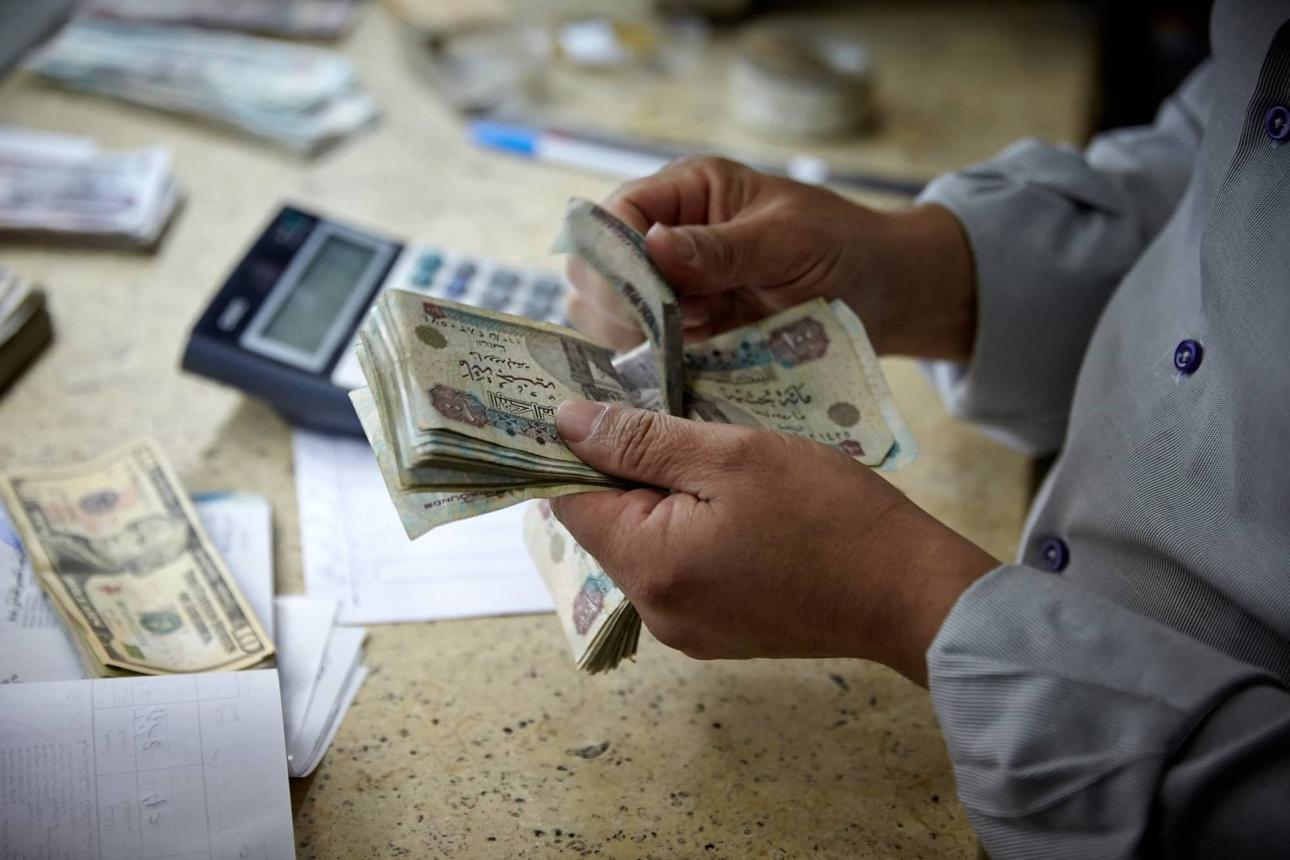
Covering Egypt right now means living with whiplash. In one inbox, the state is quietly lining up roughly twenty asset sales — ports, land, stakes in state-owned firms — targeting $7.2 billion in privatization proceeds, per documents from the IMF’s seventh review, to keep the Fund happy and the debt load manageable. In the other, Global Paradigm, a licensed Egyptian consumer finance lender, has just been suspended by the Financial Regulatory Authority over loans allegedly registered against parents who never signed for them — for their kids’ school fees.
The Sale
I keep coming back to something from a legal market guide I read this week — Egypt has quietly become one of the region’s more active M&A markets, per Youssry Saleh Law Firm’s 2026 assessment, and it’s true, but “quiet” is doing a lot of work in that sentence. Mergermarket data cited by Ansarada puts 134 rumoured or announced transactions on the board between January 2023 and January 2026, spanning banking, energy, retail, telecoms and real estate. Layer the government’s own divestment list on top of that, and the signal is clear: Cairo intends to keep leaning on private capital to do what public capital used to do. At least half of whatever the asset sales raise is earmarked straight for debt reduction, per the IMF review documents — which tells you this isn’t really a growth story. It’s a solvency story wearing a growth story’s clothes.
I don’t say that as a knock. Post-devaluation Egypt has had to relearn, fast, that you can’t run an economy on public investment alone when your financing gap keeps widening — the Central Bank of Egypt raised its 2026 external debt-service estimate by $1.3 billion to $29.18 billion in its latest External Position report, released in November. Private capital stepping into that gap is rational. It’s also exactly the environment where a PE desk should be paying attention, because distressed sellers rarely negotiate from strength, and government-held, priority-sector assets don’t come to market often.
The Silverware
Then there’s credit. And here’s where it gets uncomfortable, because the story isn’t “Egyptian banking is broken” — it’s the opposite. Formal bank lending looks fine, arguably too cautious: the CBE just held rates for a fourth straight meeting on August 20, per Bloomberg, deposit rate parked at 19%, lending rate at 20%, with the monetary policy committee citing quickening inflation and no end in sight to the Iran war.
The nerves are one tier down, in non-bank consumer finance, and they didn’t start with Global Paradigm. Back in May, Hisham Ezz Al-Arab — CEO of Commercial International Bank, Egypt’s largest private lender — went on record warning that a small spark in the non-bank sector could shake the wider economy, drawing an explicit comparison to the run-up to the US subprime crisis. FRA data put the scale of what he was worried about: consumer finance volumes had surged 57% year-on-year to EGP 96.3 billion by the end of 2025, across 48 licensed companies serving 10.8 million customers. Three months later, one of those licensed companies gave his warning a name.
Per Daily News Egypt’s report on the regulator’s own findings, the FRA ran a four-day investigation into Global Paradigm and, based on what it found, suspended the firm from writing any new school-fee or club-membership financing pending a full regulatory review, revoked the license of its chief consumer finance executive, and imposed further penal measures on several employees under Board Decision No. 45 of 2026 and Article 22 of Consumer Finance Law No. 18 of 2020 — for violations the FRA said harmed client rights, including customer data handling, credit controls and anti-money-laundering protocols. Separately, per Launch Base Africa’s investigation, individual parents describe finding five- and six-figure EGP education loans registered in their names on their I-Score credit reports that they say they never authorized. Egypt’s FRA has now moved to suspend new fintech and consumer-loan licensing sector-wide for one year and revoked 258 dormant microfinance licenses.
What I’d Watch
Here’s the connection worth sitting with: the same investor pricing Egypt’s privatization pipeline is now staring at a consumer finance sector where the FRA has just frozen new entry for a year. That’s not two unrelated desks — it’s one thesis on two clocks. The state-asset sales are the slow, scale play; the licensing freeze is the fast, narrow one, handing every already-licensed, compliant consumer finance operator a scarcity premium until the freeze lifts. Whoever’s underwriting Egyptian risk right now should be asking which of those two windows closes first.
